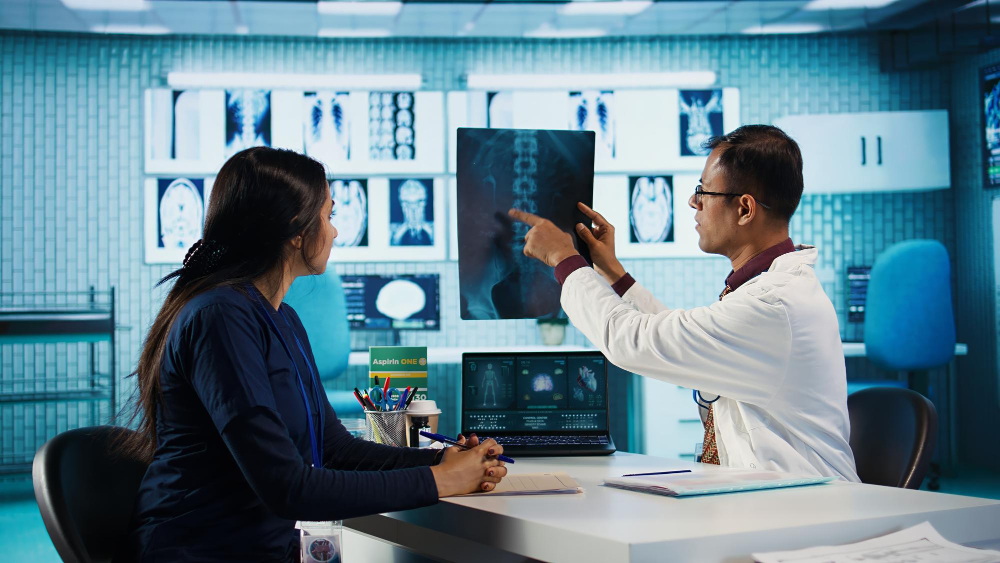
When you visit a doctor for an injury or illness, you may need an x-ray. Today, many clinics offer both traditional x-rays and digital x-rays. Understanding the differences between these two types can help you feel more comfortable during your visit. In this blog, we will explain what traditional x-rays and digital x-rays are, how they work, and when each is used.
What Are Traditional X-rays?
Traditional x-rays have been used for over a century. They use film to capture images of bones and tissues inside your body. First, a machine sends x-ray beams through your body. Then, these beams hit a special film placed behind you. The film develops into a picture that doctors can examine. Because this method uses film, it takes time to process the images. Also, the quality of the image can depend on how well the film is handled.
What Are Digital X-rays?
Digital x-rays are a newer technology. Instead of film, they use digital sensors to capture images. As a result, the images appear on a computer screen almost instantly. Digital x-rays make it easier for doctors to see details. Additionally, these images can be shared quickly with other healthcare providers. Many clinics now use digital x-ray machines because they are faster and more efficient.
Key Differences Between Traditional and Digital X-rays
Benefits and Limitations of Each Method
Both types of x-rays have their own advantages and drawbacks. For example, traditional x-rays are still useful in some settings. They do not require computers or special software. However, digital x-rays offer many benefits that make them popular today.
Safety and Radiation Exposure
Many people worry about radiation from x-rays. However, both traditional and digital x-rays use low doses of radiation. According to the World Health Organization (WHO), the risk from a single x-ray is very low. Still, digital x-rays often use even less radiation than traditional ones. Because of this, digital x-rays are considered safer, especially for children and people who need many scans. Always let your doctor know if you are pregnant or have concerns about radiation.
When Is Each Type Used?
Doctors choose the type of x-ray based on your needs and the clinic’s equipment. For example, digital x-rays are common in hospitals and large clinics. They are used for chest x-rays, dental exams, and bone injuries. Traditional x-rays may still be used in smaller clinics or places without digital machines. In some cases, traditional x-rays are used as a backup if digital systems are not working.
Frequently Asked Questions
Conclusion
Both traditional x-rays and digital x-rays help doctors diagnose health problems. While digital x-rays offer faster results and lower radiation, traditional x-rays are still useful in some settings. If you have questions about which type is right for you, consult a radiology specialist at Q Diagnostics to determine which x-ray method is best for your needs.