Introduction
An anomaly scan for pregnant ladies is a key part of prenatal care. This scan, also called the second trimester ultrasound, checks your baby’s growth and health. Usually, doctors recommend this scan to spot any problems early. Because it gives important information, many expectant mothers and families look forward to this step. In this blog, you will learn what an anomaly scan is, why it matters, and what you can expect during the process.
What is an Anomaly Scan?
An anomaly scan is a detailed ultrasound done during pregnancy. It is sometimes called a fetal development scan or pregnancy anomaly scan. The main goal is to look at your baby’s organs and body parts. Doctors use this scan to check if your baby is growing well and to spot any birth defects. This scan is safe, painless, and uses sound waves to create pictures of your baby inside the womb.
Why is the Anomaly Scan Important?
First, the anomaly scan helps doctors find any problems early. Early detection means doctors can plan the best care for you and your baby. Also, this scan checks your baby’s heart, brain, spine, and other organs. If there is a concern, your doctor can suggest more tests or treatments. Because of this, the anomaly scan is a key part of prenatal screening.
When is the Anomaly Scan Performed?
Usually, doctors do the anomaly scan between 18 and 22 weeks of pregnancy. This time is called the second trimester. At this stage, your baby’s organs are developed enough to be seen clearly. Some clinics or hospitals may offer the scan at slightly different times, but most follow this window. If you are unsure, ask your healthcare provider about the best time for your scan.
How is the Anomaly Scan Done? (Procedure)
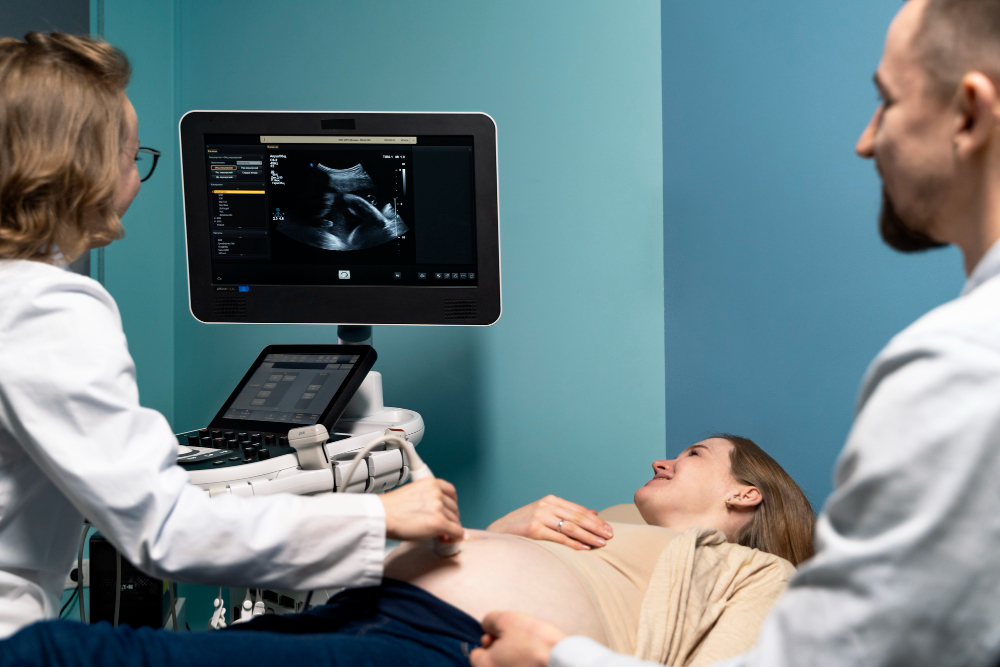
The anomaly scan is simple and does not hurt. Here is what usually happens:You will lie down on an exam table.The technician will put a cool gel on your belly.A small device called a transducer moves over your skin.This device sends sound waves to create images of your baby.The scan takes about 20 to 40 minutes.
During the scan, you can see your baby on a screen. Sometimes, the technician may ask you to change position to get better pictures. After the scan, you can wipe off the gel and return to your normal activities.
What Does the Anomaly Scan Detect?
The anomaly scan checks many parts of your baby’s body. For example, it looks at:Head and brainFace and lips (for cleft lip)Spine and backHeart and major blood vesselsStomach, kidneys, and bladderArms, legs, hands, and feetPlacenta and amniotic fluid levels
If the scan finds any issues, your doctor will explain what they mean. Sometimes, more tests are needed to confirm a problem. However, most scans show that babies are developing normally.
Preparing for the Anomaly Scan
Getting ready for the anomaly scan is easy. Here are some tips:Wear loose, comfortable clothes.Drink water before the scan if your clinic asks you to.Bring your previous scan reports if you have them.Arrive a little early to fill out any forms.
Some clinics may have special instructions, so always check with your healthcare provider before your appointment.
What to Expect During and After the Scan
During the scan, you may feel a little pressure from the transducer, but it should not hurt. You can watch the screen as the technician checks your baby. Sometimes, you may be asked to hold your breath or change position. After the scan, you can go home right away. Your doctor will discuss the results with you, usually at your next visit. If there is a concern, your doctor may call you sooner.
Frequently Asked Questions (FAQs)
Is the anomaly scan safe? Yes, it is safe for both mother and baby. It uses sound waves, not radiation.Can I bring my partner or family? Many clinics allow one person to join you, but check with your clinic first.Will I get pictures of my baby? Often, you can get printed or digital images to take home.What if the scan shows a problem? Your doctor will explain the findings and suggest next steps.
Safety and Risks
According to the World Health Organization (WHO), ultrasound scans like the anomaly scan are safe during pregnancy. They do not use harmful radiation. However, scans should only be done when needed and by trained professionals. Because the scan is non-invasive, there are no known risks to you or your baby.
When to Consult Your Doctor
If you have questions about the anomaly scan or your pregnancy, talk to your doctor. For example, if you miss your scheduled scan or have concerns about your baby’s movements, contact your healthcare provider. Also, if you need help finding a clinic or hospital that offers the scan, your doctor can guide you.
Conclusion
The anomaly scan for pregnant ladies is an important step in prenatal care. It helps check your baby’s growth and spot any problems early. For the best advice, consult your healthcare provider or a radiology specialist at Q Diagnostics about anomaly scans during pregnancy.